Rust solo in 2026 and how one player becomes a menace to zergs
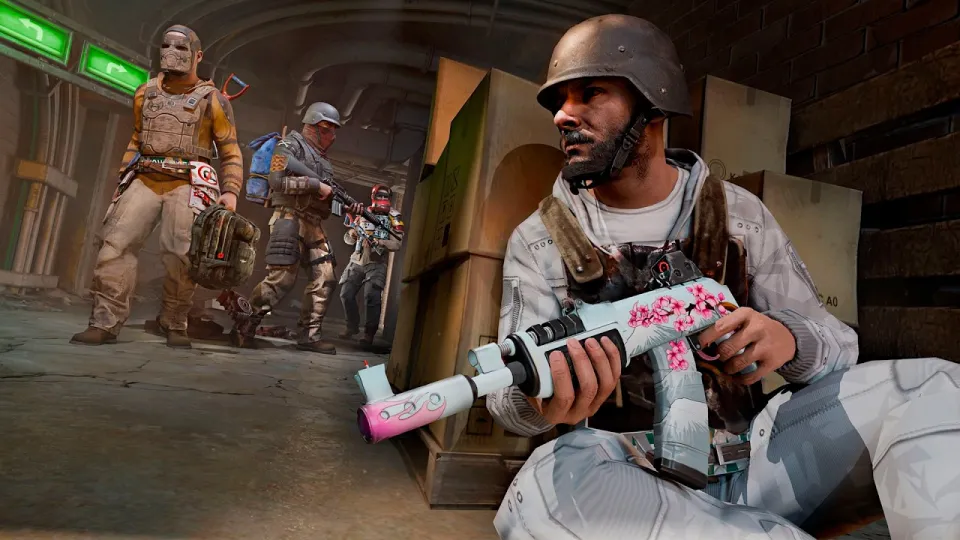
Video: THE SOLO MENACE – Rust
Want articles like this for your own video to promote it on YouTube and Google? Order them through the Telegram bot @sat_sit_bot. The bot writes and publishes the articles itself (with your YouTube video embedded) on popular topical websites (no ads). Free trial — 50 articles.
Rust solo is a survival format where one player competes on a full-population server against clans, zergs and roaming groups, and the winning approach in 2026 is to treat the wipe as an economy game rather than a fair fight. A solo player who farms efficiently, builds a compact base and picks fights on their own terms can stay relevant on a server where groups field six, eight or more players. SPiiCY's solo run, published in August 2026, is a practical example of that approach, and the RustEasy bonus page linked in the description is where the tools behind that playstyle start.
What solo Rust actually means in 2026
Solo Rust is the practice of playing the game without a team, which changes every decision from base location to loot priority. On a high-population server a solo player cannot win a straight gunfight against a zerg that brings numbers, so the format rewards information, patience and economy instead of raw aim. The core loop stays the same as ever: gather resources, secure a base, craft weapons and raid gear, then convert those into loot from other players. What differs is the margin for error. A clan can lose a fight and re-gear from a shared box; a solo player who loses a full kit has to farm it back alone, which is why experienced solo players avoid fights they do not choose.
The solo menace playstyle: compact bases and revenge raids
A solo menace playstyle is built on three habits that keep a lone player alive on a hostile server.
- Build small and cheap. A compact base costs fewer resources, is faster to repair and gives raiders less loot per rocket. Trap bases and layered designs punish groups that expect an easy solo raid.
- Farm in short, planned runs. Instead of long sessions at a single monument, a solo player rotates between nodes, barrels and safe routes so no group can track their pattern.
- Take revenge raids. When a group wipes a solo player, the answer is not an immediate rematch but a later raid on a soft target, ideally while the group is offline or busy elsewhere. Revenge raids are the core of the format because they turn a loss into a plan.
SPiiCY's solo video leans on exactly this structure: a base that survives contact with groups, progression that does not depend on winning every fight, and raids that punish the players who came for an easy target.
Base design choices that keep a solo player alive
Base design is the single biggest factor in solo survival, because a bad base turns every offline raid into a total loss. The design principles that matter most on a crowded server are simple. Keep the footprint small so the raid cost per loot box is high. Separate loot into more than one room so a single breach does not expose everything. Use doors and traps to slow raiders and force them to spend explosives on cheap layers. Place the base away from the busiest roads and monuments, but close enough to a farm route that daily progression stays fast. SPiiCY points viewers to full base design tutorials through his Patreon membership, which is where the detailed builds behind the solo run are documented.
Progression priorities for a lone player
Progression for a solo player is a list of priorities rather than a race. The first goal is a working base with a tool cupboard, a sleeping bag and enough storage to protect early loot. The second is a reliable source of scrap, because workbenches and blueprints decide what a player can craft later. The third is a modest combat kit that can be replaced without a long farm, so losing it does not end the wipe. Only after those three are stable does it make sense to invest in raid gear. On a server with large groups, a solo player who reaches satchels and explosive ammo can start converting other players' progress into their own, which is where the revenge raid loop begins. Performance matters here too: the description promotes Hypertune at hptn.gg/spiicy as an FPS optimization tool, and stable frame rates genuinely help in close-range PvP where a solo player cannot afford to lose a duel.
Common questions from solo players
Solo players consistently ask the same practical questions, and the answers shape how the format is played. The most frequent concern is server choice: high-population servers offer more loot and more targets, but also more groups, so many solos prefer servers with a moderate population where roaming is still possible. The second concern is base size versus raid cost; the general rule is that a smaller base with more internal layers beats a large base with a single loot room. The third is what to do after being wiped by a group. The answer from experienced players is to rebuild fast, move location and plan a revenge raid rather than fight the same group head-on. The fourth is performance and settings, since a solo player has no teammate to cover a stutter or a frame drop, which is why FPS tools and consistent sensitivity settings come up so often in discussions of solo play.
Tools and links from the video
All the resources referenced in the solo run are collected in one place:
- RustEasy bonus and registration
- Patreon membership with base design tutorials
- Patreon join page
- Hypertune FPS optimization
- SPiiCY Discord community
Conclusion
Solo Rust in 2026 is less about out-aiming a zerg and more about out-planning one, and the solo menace format shows how far that approach can go. A compact base, disciplined farming, replaceable kits and well-timed revenge raids let a single player stay on a server full of groups and still come out ahead. SPiiCY's breakdown of the run is a useful template for anyone attempting the same thing, from base layout to raid timing. If you want to try the playstyle yourself, start with the RustEasy bonus page and build your first compact base before the next wipe.
Key takeaways
- Solo Rust means playing alone against clans and zergs that can field six or more players on one server.
- SPiiCY's solo run is built around compact base design, fast progression and revenge raids rather than open-field fights.
- The video description links a RustEasy bonus at rseasy.com/spiicy and base design tutorials on Patreon.
- Hypertune is promoted in the description as an FPS optimization tool for smoother PvP.
- Viewer feedback shows the main draws are the solo format, the base design and the comeback after losses.
Questions & answers
Is solo Rust actually viable on a high-population server?
Yes, but only with the right approach. A solo player cannot win open fights against groups, so the format rewards compact base design, efficient farming and choosing engagements. High-population servers give more loot and targets, but many solos prefer moderate population for easier roaming.
How big should a solo base be in Rust?
Small enough that the raid cost per loot box stays high. A compact base with multiple internal layers, separated loot rooms and cheap trap layers forces raiders to spend more explosives for less reward than a large base with one loot room.
What should a solo player do after being wiped by a group?
Rebuild quickly, relocate if the old spot is compromised, and plan a revenge raid on a soft target instead of fighting the same group head-on. Attacking while the group is offline or busy elsewhere is the standard solo answer.
Why do solo players care so much about FPS and performance?
A solo player has no teammate to cover a stutter or a frame drop in close-range PvP. Stable frame rates and consistent settings make duels more predictable, which is why FPS optimization tools and sensitivity tuning are common topics in solo discussions.
Source: THE SOLO MENACE – Rust · Markdown version